
Professional Office Relocation Services
An office relocation is a business transition that involves people, workstations, technology, records, furniture, and countless small details that need to arrive at the right place at the right time. Unlike a household move, an office move needs to account for the way a workplace operates before, during, and after the relocation. City Moves provides professional office relocation services for businesses moving into a new workplace, expanding into additional space, consolidating locations, or changing offices.
We help businesses manage the physical side of the relocation by transporting desks, chairs, cabinets, workstations, boxed files, office supplies, and other workplace belongings. Our team works with the information you provide about both properties so loading, transportation, and delivery can be organized around the practical demands of your office move.
How Your Office Relocation Works
A successful office relocation begins before anything is loaded onto a truck. The first step is understanding what is being moved, where it is going, when the workplace needs to be operational, and what restrictions exist at either property.
- Review the current office and new workplace requirements.
- Identify furniture, equipment, files, supplies, and other items being relocated.
- Organize the move according to your preferred schedule.
- Coordinate loading, transportation, and access at the destination.
- Deliver and unload workplace belongings in an organized manner.
The timing of an office move can be particularly important. Businesses may need to work around employees, customers, building management, scheduled appointments, or normal operating hours. By establishing these details before moving day, the relocation can be approached with a clearer plan and fewer surprises.
Organized Workspace Handling
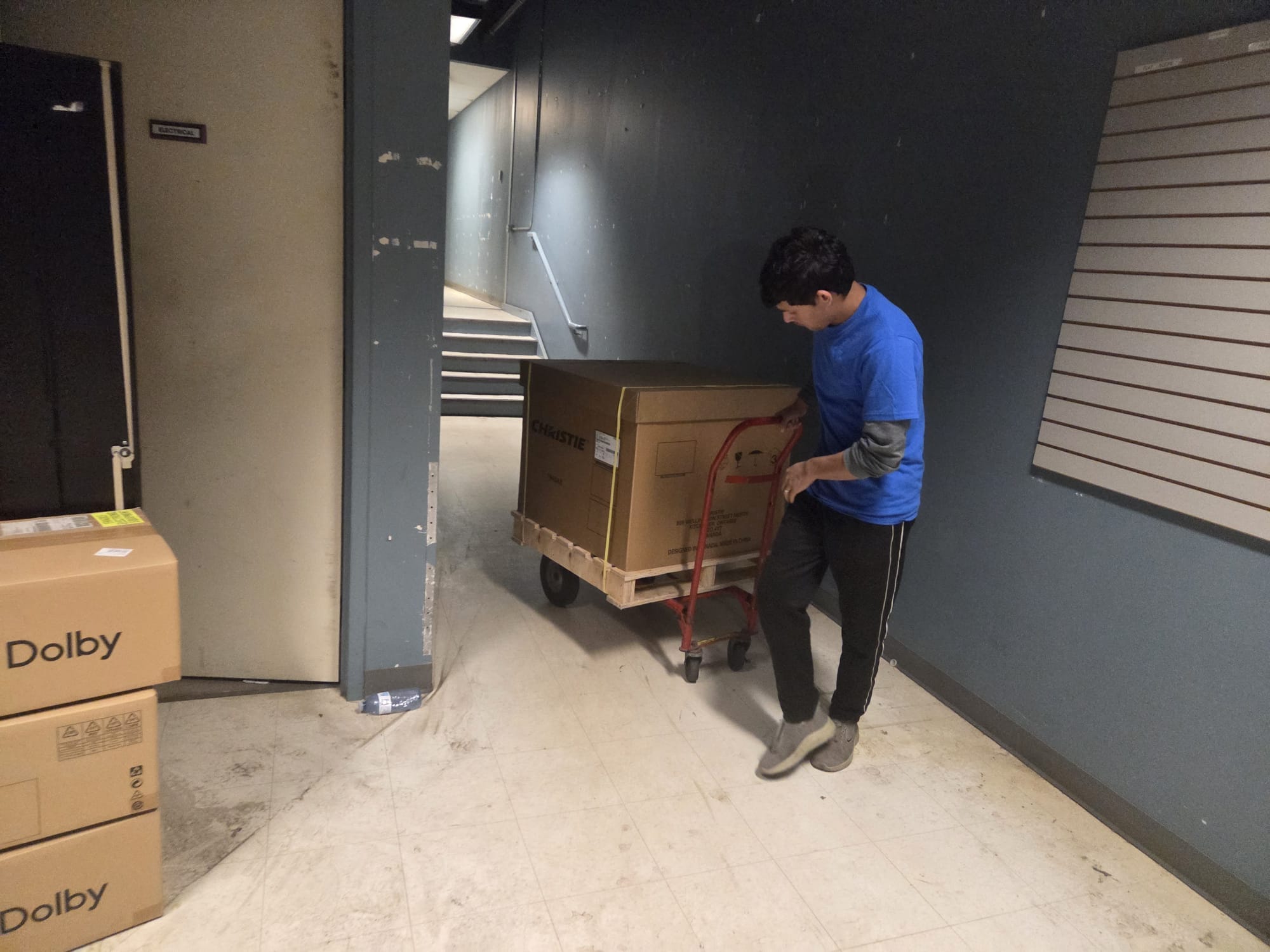
An office can contain a mixture of desks, seating, filing systems, electronics, supplies, and boxed materials. Keeping these items organized during the move can make the transition easier when it is time to rebuild the new workspace.
GET A FREE QUOTE
Getting Your New Office Ready
An office relocation is easier to manage when the new workplace has been considered before moving day. Determine where major furniture and work areas should go, identify items that require special attention, and make sure the building can accommodate the planned move. If the property has loading restrictions, elevator requirements, designated entrances, or specific moving hours, these details should be confirmed ahead of time.
It can also be helpful to separate essential business materials from items that can remain packed until the workplace is fully organized. Important records, sensitive documents, and essential equipment should be identified before the move so they can receive appropriate attention during the transition. Workstations, computers, office furniture, and shared equipment can also be assigned specific locations in advance, making the setup process more efficient after delivery.
Before the move, confirm that employees know when the relocation will take place and which areas of the new workplace will be ready for use. If the business will continue operating during the transition, consider which equipment and supplies need to remain accessible so essential operations can continue with minimal interruption.
For larger workplaces, creating a simple floor plan can help guide the placement of desks, meeting room furniture, storage units, and other equipment. Clear labelling can also make it easier to identify where boxes and furniture belong once they arrive at the new location.
City Moves provides commercial moving services and office relocation services for businesses across Canada, helping companies move their workplaces within their communities or to new cities and provinces. If your relocation involves a longer journey, our long distance moving services can support the transportation requirements of the move.
Once the new workplace is prepared and access arrangements are confirmed, your team can approach the transition with a clearer plan. To discuss your requirements, contact City Moves or request a moving quote and provide details about your current office, destination, schedule, and specific moving needs.